


Clothes Have Ingredients Too
Most of us have become pretty good at checking labels.
We turn over food packaging to check ingredients, allergens, sugar or protein. If something is described as natural or healthy, we want to know what's actually in it.
But when was the last time you checked the label on your clothes?
Not the size or washing instructions. The part that tells you what they're made from.
A sweatshirt that looks and feels natural could contain polyester. A cosy jumper might be acrylic. Even clothing described as cotton can contain synthetic fibres.
UK textile labelling rules require fibre composition information on clothing.
You might see 80% cotton / 20% polyester, or 50% cotton / 50% polyester.
Think of it as an ingredients list for your wardrobe.
Clothes have ingredients too.

Polyester Is Plastic
You might not think of your clothes as containing plastic, but many do.
Polyester is a synthetic, plastic-based fibre, commonly made using raw materials derived from fossil fuels.
It's also the world's most widely produced textile fibre.
Synthetic clothing can release tiny plastic fibres during washing and everyday wear. These microfibres can enter waterways and the wider environment.
Researchers have also detected microplastics from various sources in human tissues, although the contribution from wearing synthetic clothing and the potential health implications remain uncertain.
This isn't about suggesting every synthetic garment is harmful. Synthetic fibres have useful properties, including durability, stretch and quick drying.
It's about understanding what you're buying — and what happens to those materials over time.

Cotton Doesn't Always Mean 100% Cotton
Seeing the word cotton in a product description doesn't necessarily mean the entire garment is made from cotton.
It could be 100% cotton, or 60% cotton / 40% polyester.
That's why the composition label matters.
And if you're choosing cotton, it's worth considering how it's grown.
Certified organic cotton is produced under standards that restrict certain agricultural chemicals and prohibit genetically modified seeds.
Recognised textile certifications can also provide information about how organic fibres are processed.
But remember, organic cotton describes the fibre and how it's grown. It doesn't automatically mean every part of the finished garment is organic or free from chemical treatments.
The important thing is to look beyond the product description and understand what you're actually purchasing.

Start Checking the Label
You don't need to become a textile expert.
Next time you're buying a T-shirt, hoodie, sweatshirt or clothes for your children, take ten seconds to check the composition.
Cotton? Polyester? Acrylic? Nylon? A blend?
It's a small habit that can make you a more informed shopper.
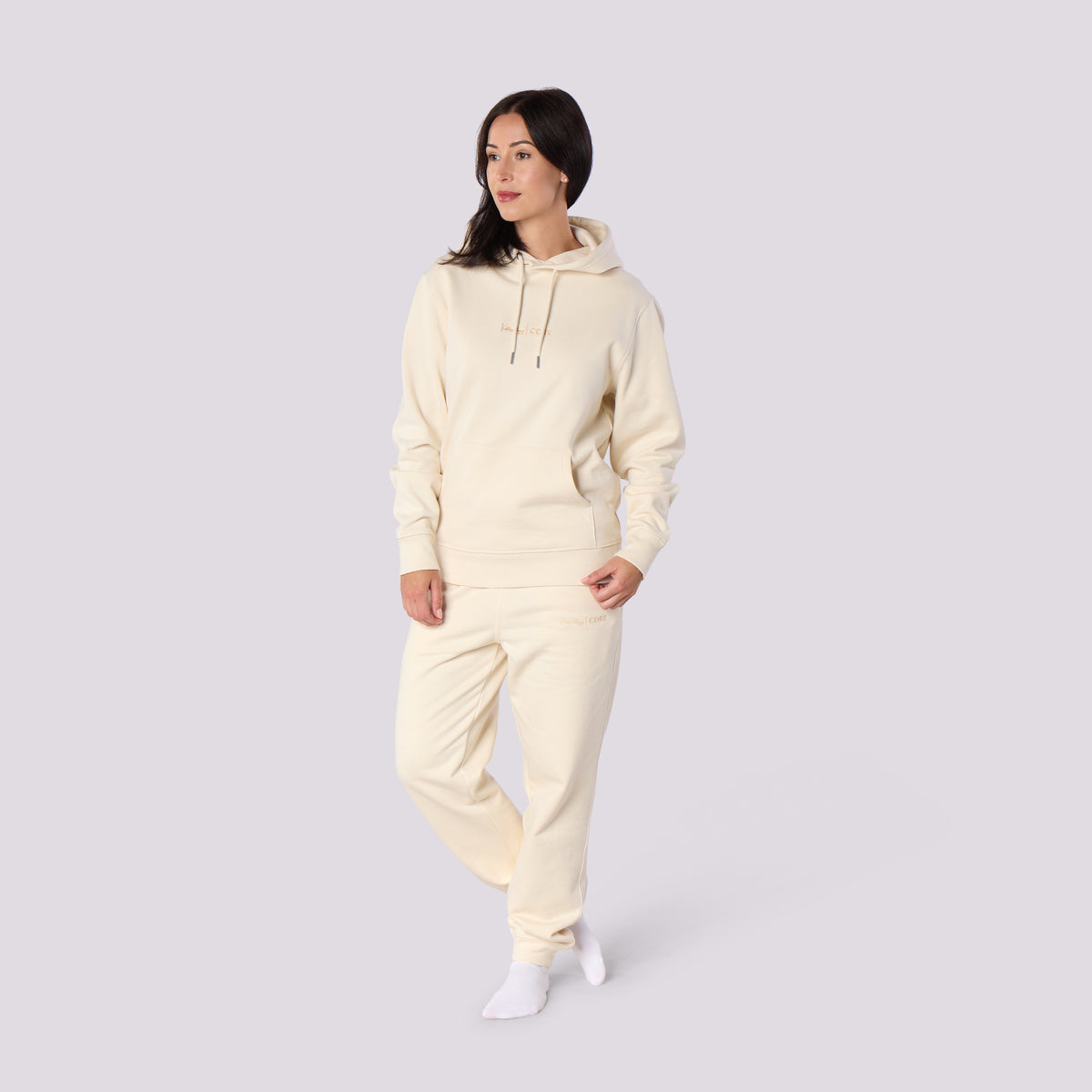
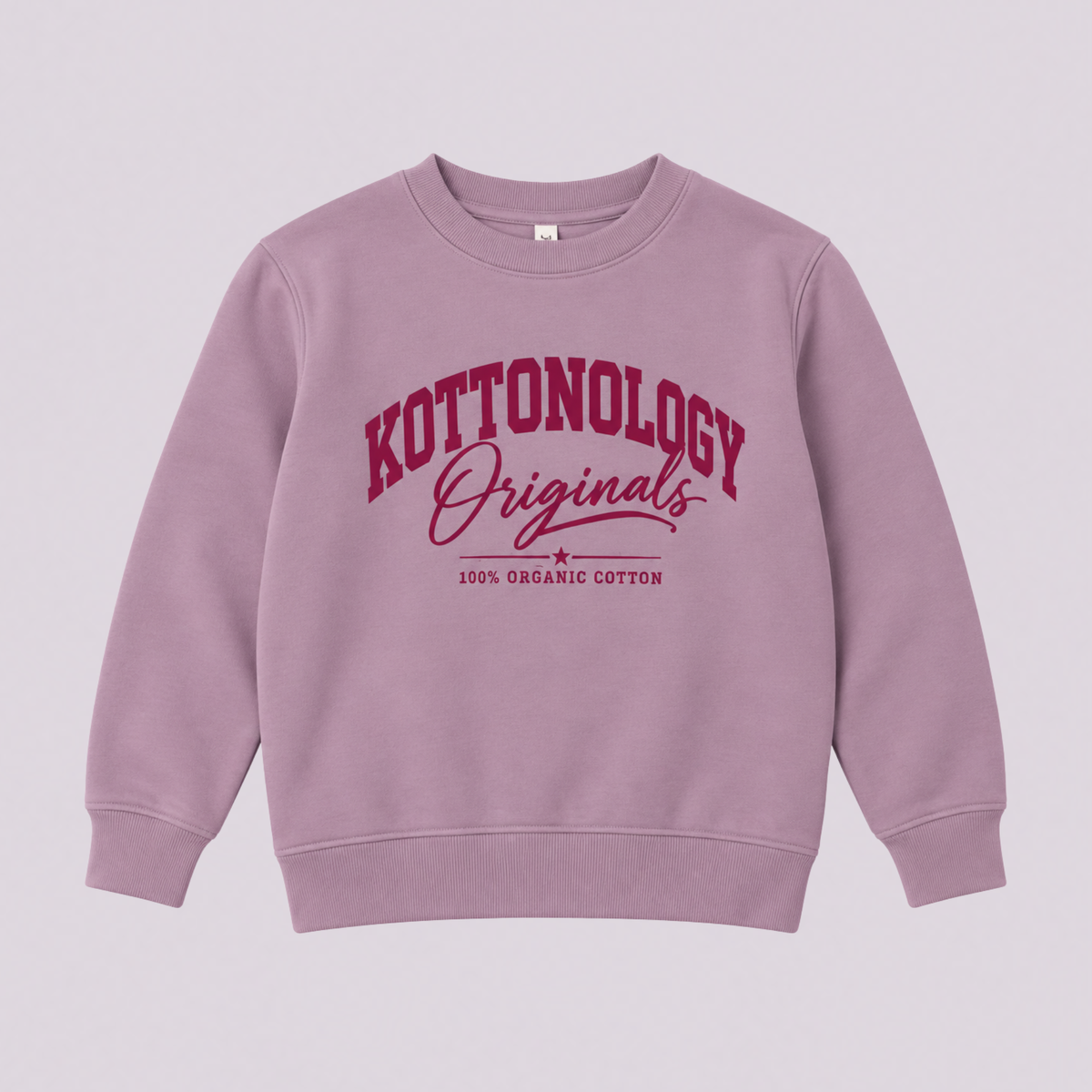
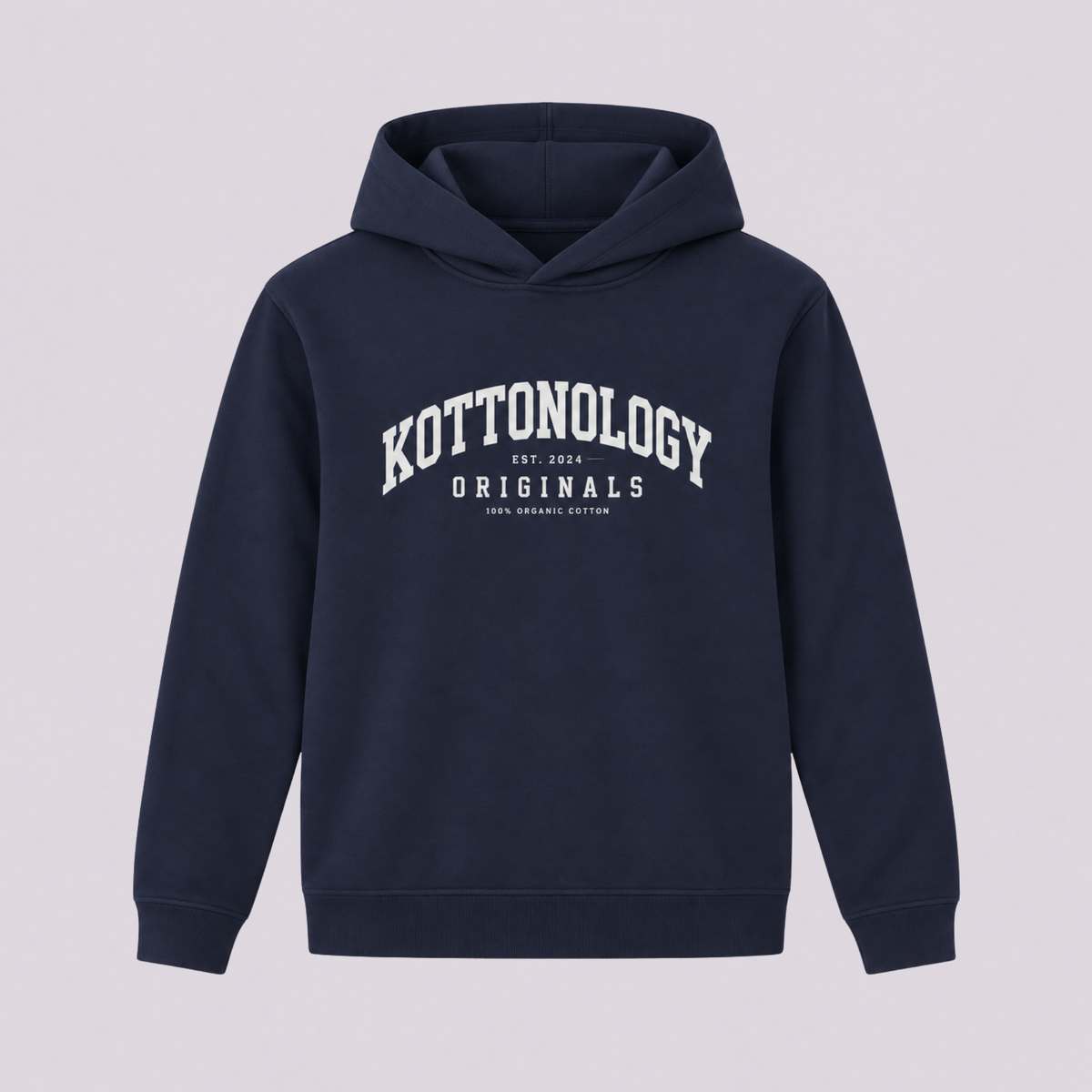
At Kottonology, we've made that choice simple.
100% organic cotton. No synthetics. No blends. No surprises.
Because if we care about knowing what goes into our bodies, perhaps it's time we paid more attention to what goes onto them.
Check the label. Know what you're wearing.