


How To Choose Skin-Friendly Clothing
How to Choose Safe Clothing - Without Overthinking It
Some clothes you forget you’re wearing. Others you can’t ignore.
The difference isn’t small. It’s the difference between moving through your day comfortably… or constantly adjusting, overheating, or feeling distracted by what you have on.
Clothing isn’t just what you wear. It becomes part of your environment.
Why fabric choice matters more than you think
It’s not always the fabric itself that causes problems. It’s what’s added to it.
Many garments are treated with dyes, finishes, and chemical coatings designed to improve appearance or performance. Things like wrinkle resistance, colour intensity, or durability often come at a cost to your skin.
Even clothing labelled as “cotton” isn’t always simple. What matters is how it’s processed.
Because when fabric sits against your skin all day, every detail counts.
What to look for (and what to avoid)
Keep it simple. You don’t need to become an expert. Just be more aware.
Fabric
Choose: 100% organic cotton or low-processed natural fibres
Avoid: Polyester, nylon, elastane blends
→ Natural fibres tend to breathe more easily, while synthetics can trap heat and moisture
Processing
Choose: GOTS or OEKO-TEX certified fabrics
Avoid: “Wrinkle-free”, “easy-care”, “stain-resistant”
→ These often rely on chemical finishes.
Seams & labels
Choose: Low-bulk seams, soft or minimal labels
Avoid: Scratchy labels, bulky seams
Details that sit flatter against the skin are less likely to cause irritation over time
Not all labels are the same. Printed or removable labels typically feel more comfortable than traditional stitched tags.
Fit
Choose: Loose, breathable, non-restrictive
Avoid: Tight, compressive styles
→ Heat and pressure build irritation.
Laundry
Choose: Wash before wearing, fragrance-free detergent
Avoid: Wearing straight from the pack
→ This helps remove residues from production
Small changes that actually help
You don’t need to change everything.
Start with what you wear most.
- Double rinse occasionally, especially for new or heavily processed garments
- Stick to lighter colours where possible
- If you’re unsure, wear new clothes for a short time first to see how they feel
- Give your clothes a break between wears where you can
- Try to avoid overheating where possible
Small shifts, repeated consistently, tend to make the biggest difference.
Where Kottonology fits in
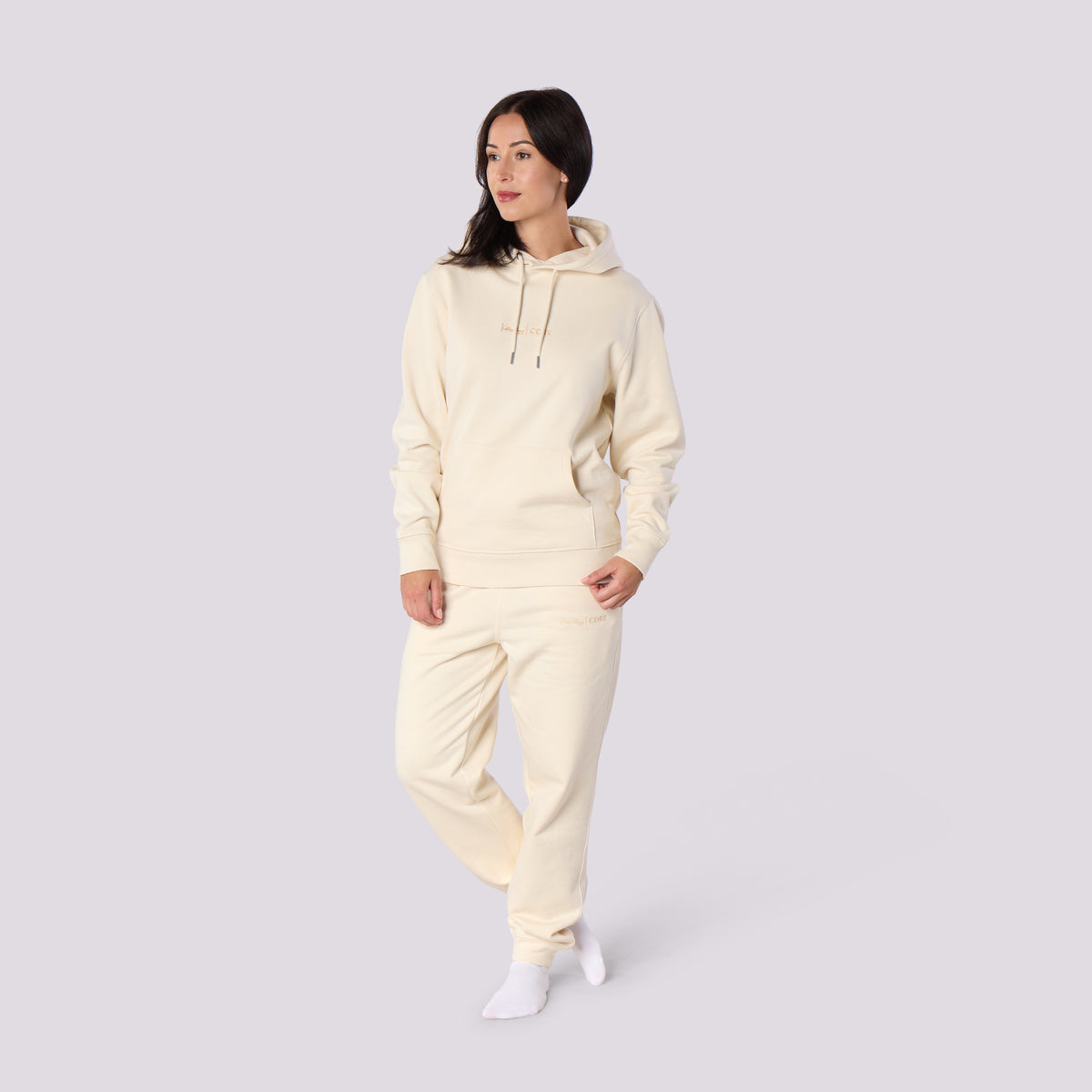
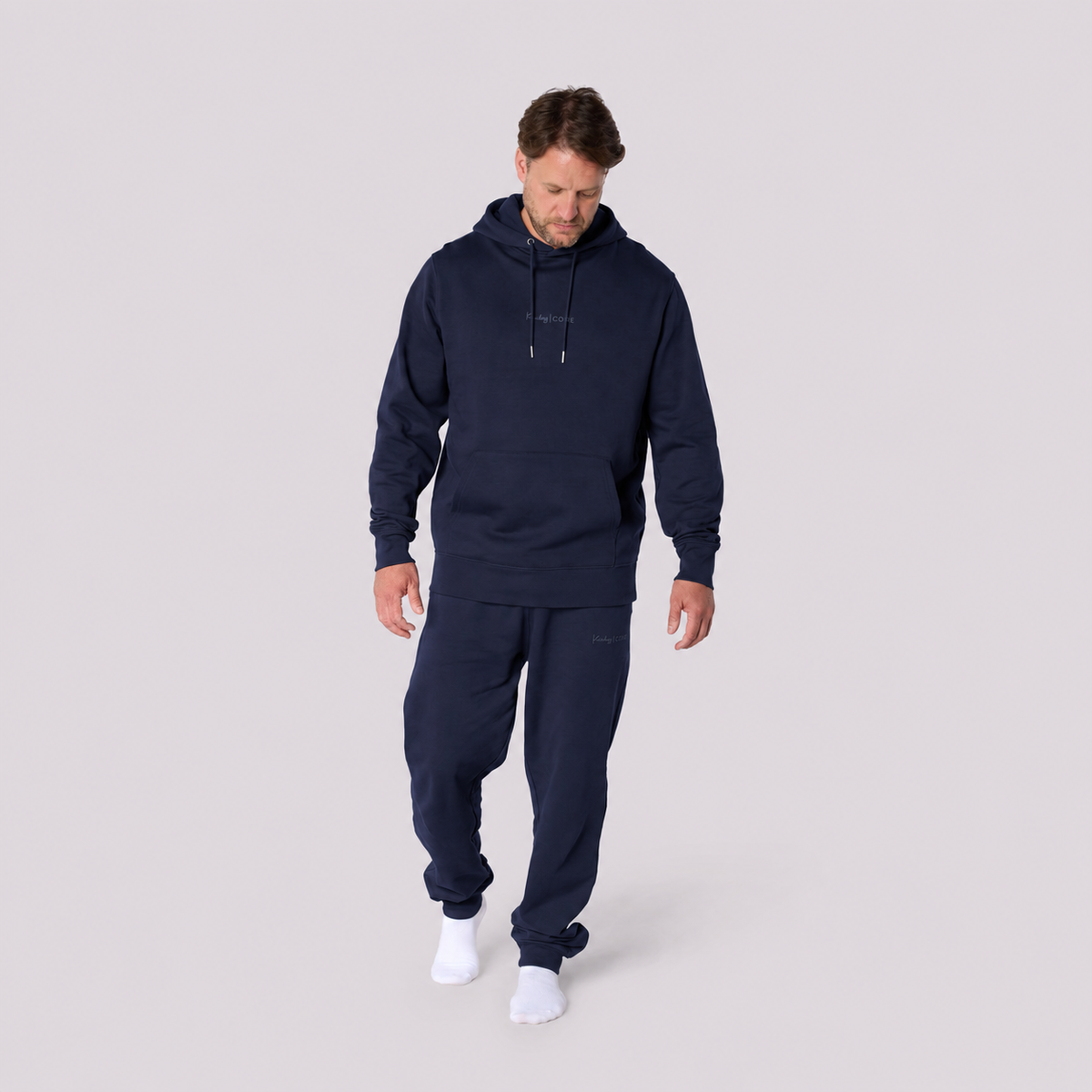
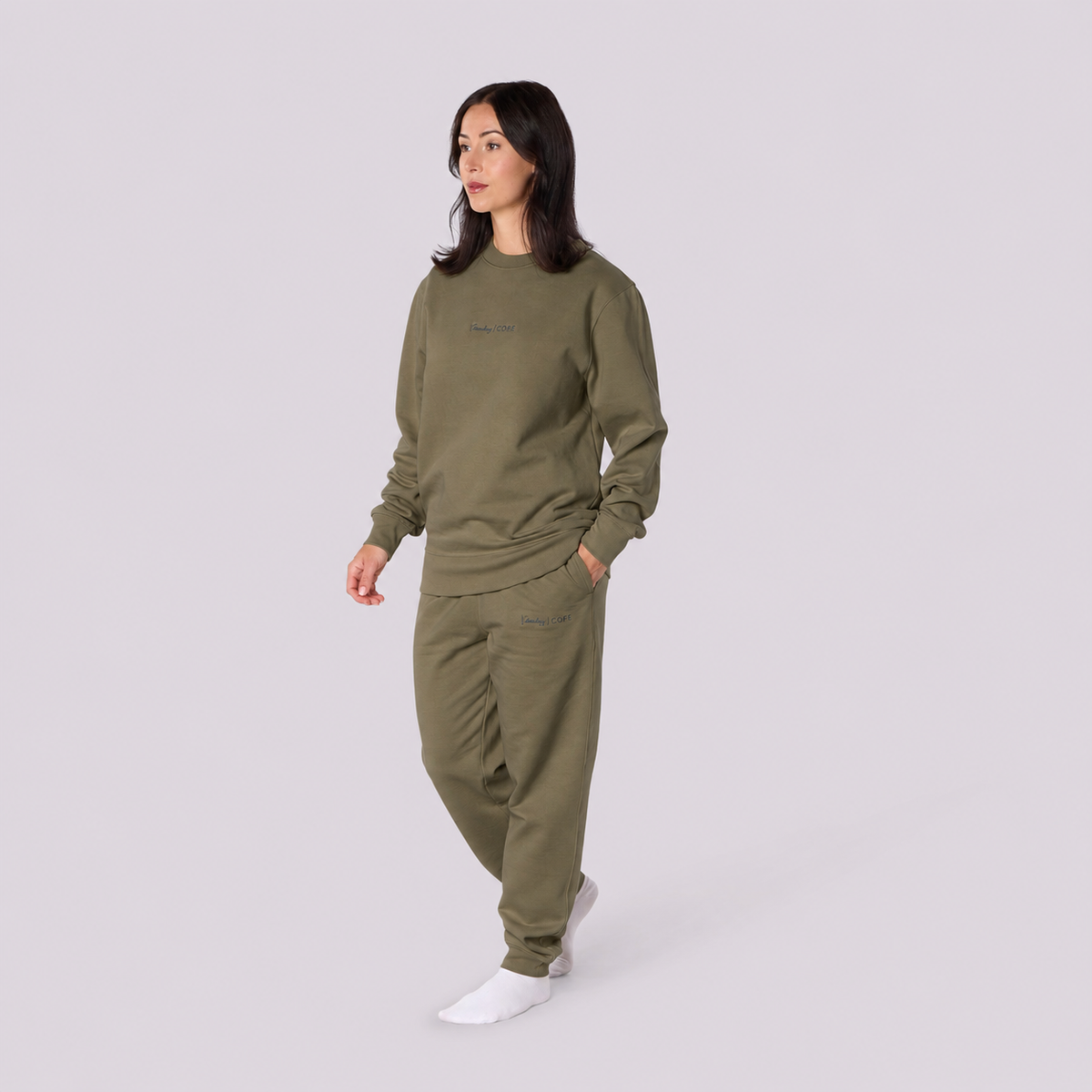
At Kottonology, comfort isn’t an afterthought.
It’s built in from the start.
- 100% organic cotton
- Low-residue, certified dyes
- Designed with flat or low-bulk seams and low-profile labels
- Relaxed, breathable fits
Nothing complicated. Just clothing designed to feel right against your skin, every time you put it on.
Final thought
You won’t eliminate every trigger.
But you can change your everyday environment.
And clothing is one of the easiest places to start.
When you choose pieces that work with your body, not against it, getting dressed becomes one less thing to think about.